Blog
A Dog's Work vs. Vacation
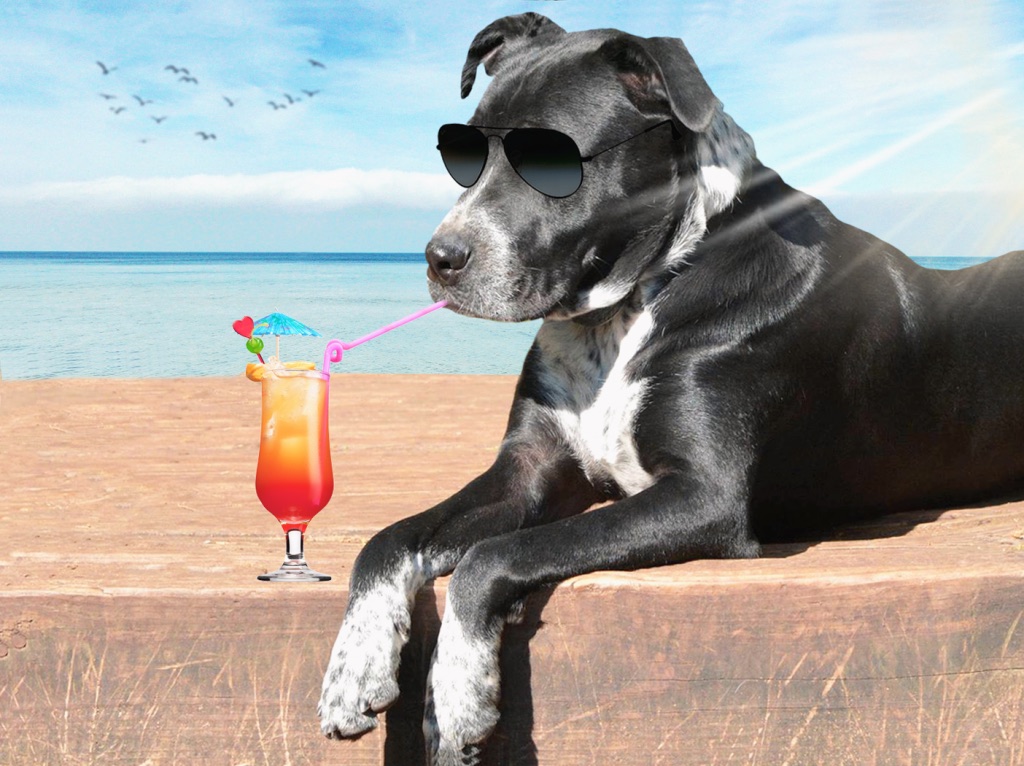
Do you work before you take a vacation? Are you tired after a long day of using your body and brain? Does meaningful work change the way you rest?
Dogs need work too.
Most domestic dogs were originally bred to do some kind of job. Herding, hunting, guarding, retrieving, pulling, tracking, or moving with people. When those instincts have no healthy outlet, many dogs become bored, frustrated, reactive, or restless.
That is one reason exercise is so important. But exercise does not mean chaotic activity. It means purposeful movement and mental engagement.
Many dogs live almost entirely in the house and yard. Imagine if your whole world were limited to the same rooms and the same outdoor space every day. No work. No learning. No new places. No meaningful purpose. It would not take long before your mind started looking for something to do.
All animals have instinctual needs. Birds fly. Fish swim. Dogs walk.
For a domestic dog, the walk is work. It is not just a bathroom break or a casual outing. In a human world, dogs need to learn how to participate in a structured walk, because the mental work is what helps settle the dog.
A dog who is scanning, pulling, reacting, chasing, and sniffing every distraction is moving, but not necessarily working with you. The dog needs to learn focus and attention.
That does not mean a dog never gets to sniff or explore. It means structure comes first. Think of it this way: math class before art class. The dog practices focus and calm movement first, then earns appropriate freedom.
Rules create freedom.
Dogs are born with drives. Prey drive, food drive, pack drive, defense drive, territorial drive, and reproductive drive all influence behavior. Drives should not simply be ignored or suppressed. They need to be understood and directed.
A hunting dog does not chase every bird whenever it wants. A herding dog does not simply scatter or grab the sheep. The instinct is there, but the handler helps guide it into useful work.
That is the relationship dogs need from us: calm leadership, clear rules, and appropriate outlets.
The more mental focus and physical exercise a dog receives, the more satisfied the dog tends to be. Challenging behavior is easier to address when the dog is in a calmer, more fulfilled state.
Rules equal freedom. The more a dog learns how to live calmly within structure, the more freedom that dog can safely enjoy.
Related reading: Does Your Dog Get Enough Exercise?, Dog Heaven or Pup Prison?, and Human Psychology vs. Dog Psychology.
Back to Blog