Clinics
Snake Aversion Clinics
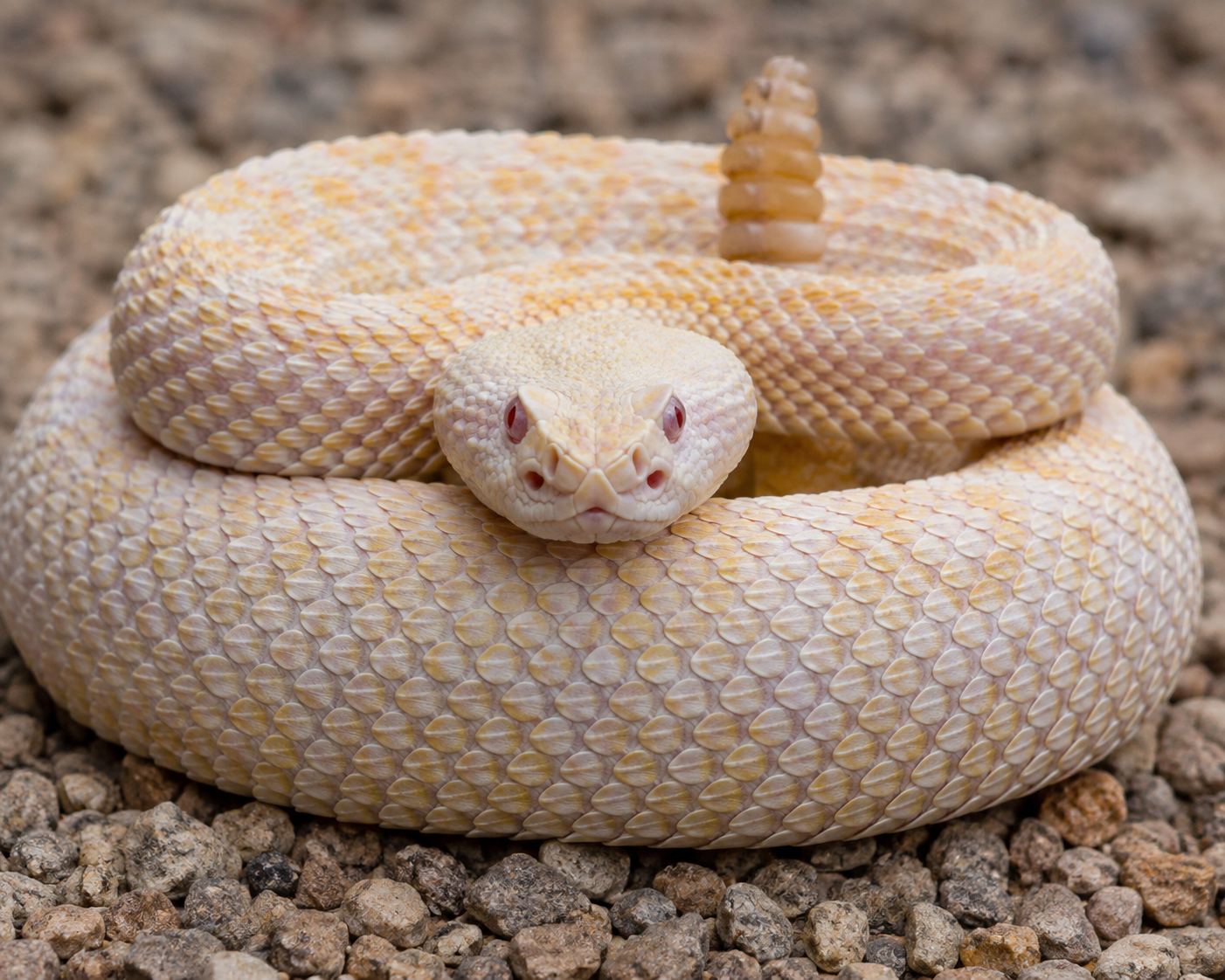
A curious dog and a rattlesnake is a bad combination.
Most dogs that get bitten were not being aggressive. They were being dogs. Nose down, moving fast, investigating something new in the grass.
Snake aversion training teaches your dog to identify a snake and leave it alone.
In Northern California, the rattlesnake is the only venomous snake that poses a real danger to your dog. That's exactly what we train on.
Red Bluff, California: March 13 and 14, 2027
Saturday and Sunday. 15-minute timeslots from 9 a.m. to 4 p.m., with noon to 1 p.m. closed for lunch.
Hosted by Tylyn Aviles at her farm in Red Bluff, with Dog Psychology 101 and Dynamic Duo Dog Rescue. A portion of every registration benefits Dynamic Duo Dog Rescue.
Timeslots are limited. When they're gone, the clinic is full.
Pricing
One session: $200 per dog
Two sessions: $300 per dog
Each dog is worked individually, so there is no multi-dog discount. Refunds are available when you cancel at least 7 days before your session.
Why a Second Session
Most dogs get it the first time. One session is enough for most dogs.
The second session is for owners who want to be sure. On day two, your dog meets a snake again, and I'm watching for one thing: does your dog recognize it and move away on their own?
If they do, you've seen it for yourself before you ever hit the trail. If they hesitate or get curious, we reinforce it right there, while it still counts.
Think of it as an extra layer of security. Choose one session or two on the registration form, and book both timeslots right there.
Register
Choose your timeslot, upload your dog's vaccine records, and submit. You'll pay through a secure Stripe link after you submit. Your spot is confirmed when you get my confirmation email with the farm address and check-in details.
Questions before you register? Email info@dogpsychology101.com
How It Works
Live snakes and a static e-collar.
Live snakes matter. Your dog needs to learn the real scent, sound, and movement, because that is what they will meet on the trail. A shed skin teaches a dog to avoid a shed skin.
Time on the field depends on the dog.
Why We Use a Static E-Collar
This is the part people ask about, so I'll be straight with you.
Yes, we use a static e-collar. A couple of static shocks is a far better deal for your dog than a rattlesnake bite that could kill them.
A bite means pain, swelling, an emergency vet visit, and sometimes antivenom, surgery, or worse. Some dogs don't survive it. A static shock is over in a second.
Nothing else does the job. A static e-collar is the only technique I've found that truly builds a negative association with the snake itself. Voice commands and recall only work when you're there to give them. This association goes with your dog onto every trail.
The snake gets the blame. The static is timed to the moment your dog investigates the snake: the scent, the sight, the sound. Your dog learns the snake caused it. Not you, not me, not a command. That's why the lesson holds when your dog meets a snake on its own.
It's brief and controlled. For most dogs, that's a couple of static shocks with precise timing, and then it's done.
I handle it myself. Nearly 40 years with dogs, including the most severe behavior cases there are. The collar is fitted for the session and comes off when you leave.
Honoring the dog sometimes means a hard, fast lesson that keeps them alive.
Before You Come
Collar and leash: Your dog must wear a collar they cannot slip out of. A martingale collar or slip leash is preferred.
Vaccines: Rabies and DHLPPC must be current. Upload your records when you register.
Reactive or aggressive dogs: Tell me on your registration. When you arrive, keep your dog in your vehicle, or under control and away from other dogs and people, until I or a member of my staff meets you. Put a yellow bandana, or something obviously yellow, on your dog.
See a dog wearing yellow? That dog needs space. Please don't approach, even if your dog is friendly.
Seizure history: Your veterinarian's written approval is required. Upload it when you register or bring it on training day. Without it, your dog cannot participate.
Who Should Come
Dogs 6 months and older.
- Dogs who live in or travel through snake country
- Hiking, camping, and trail dogs
- Working, ranch, and hunting dogs
- Dogs with high prey drive
- Dogs who have already had a close call
Severe behavior and bite history are what I do. Tell me in advance and I will plan for it.
Who Should Not
- Puppies under 6 months
- Dogs with a seizure history who don't have written veterinary approval
- Dogs who are unwell, injured, or in pain
- Owners who are not comfortable with the method. Ask me your questions first.
If your dog has any medical condition, is on medication, or has a heart condition, talk to your veterinarian before registering and let me know.
What to Expect
No training can guarantee your dog will never be bitten. Snake aversion training dramatically reduces the risk.
A trained dog is far more likely to detect a snake early and move away on its own. It does not make a dog snake-proof, and it does not replace leashing on unfamiliar trails, knowing where the nearest emergency vet is, or talking to your veterinarian about the rattlesnake vaccine.
Private Behavior Consultations
I'm booking private behavior consultations the week after the clinic. Mark it on your registration and I'll follow up with you personally.
Host a Clinic
Training facilities, rescues, ranches, hiking and sporting clubs, and breed groups can host. I need outdoor space and enough dogs to make the travel work. You do not need to know anything about aversion training.
Send me your location, the space you have, and how many dogs you could gather.
Email: info@dogpsychology101.com
Questions People Ask
When is the next clinic?
March 13 and 14, 2027, in Red Bluff, California. Register above.
Where exactly is it?
At Tylyn Aviles' farm in Red Bluff. The address is in your confirmation email.
Will the e-collar hurt my dog?
It's an unpleasant static shock, and that's the point. The snake has to become something your dog wants no part of. It's brief, it's controlled, and it's nothing compared to a rattlesnake bite.
What if I'm not comfortable with the e-collar?
Email me before you register. I'd rather answer your questions than have you show up uneasy about what you agreed to.
Does this guarantee my dog won't be bitten?
No. Nothing can guarantee that. Snake aversion training dramatically reduces the risk by teaching your dog to recognize a snake and move away from it.
Does my dog need two sessions?
No. Most dogs get it the first time. The second session is for owners who want to be sure the lesson held. It's an extra layer of security, not a requirement.
Does my dog need obedience training first?
No. The clinic does not rely on commands.
Will this make my dog afraid of the outdoors?
No. The training is specific to the snake. That is why live snakes and correct timing matter.
How long does it last?
Many dogs hold it for years. A refresher before snake season is a reasonable idea.
Do you offer a discount for multiple dogs?
No. Each dog is worked individually. It's $200 for one session or $300 for two, per dog.
Can I get a refund?
Yes, when you cancel at least 7 days before your session. That gives us time to offer your spot to another dog.
My dog has a seizure history. Can they come?
Only with your veterinarian's written approval. Upload the letter when you register or bring it on training day.
My dog is aggressive or has bitten someone. Can they come?
Yes. Severe behavior is my specialty. Tell me on your registration so I can plan the handling and the schedule.
My dog was already bitten once. Is this still worth doing?
Often yes. Surviving a bite does not reliably teach a dog to avoid the next one.
Can I watch?
Yes. You will understand your dog better afterward.
Contact Angie